
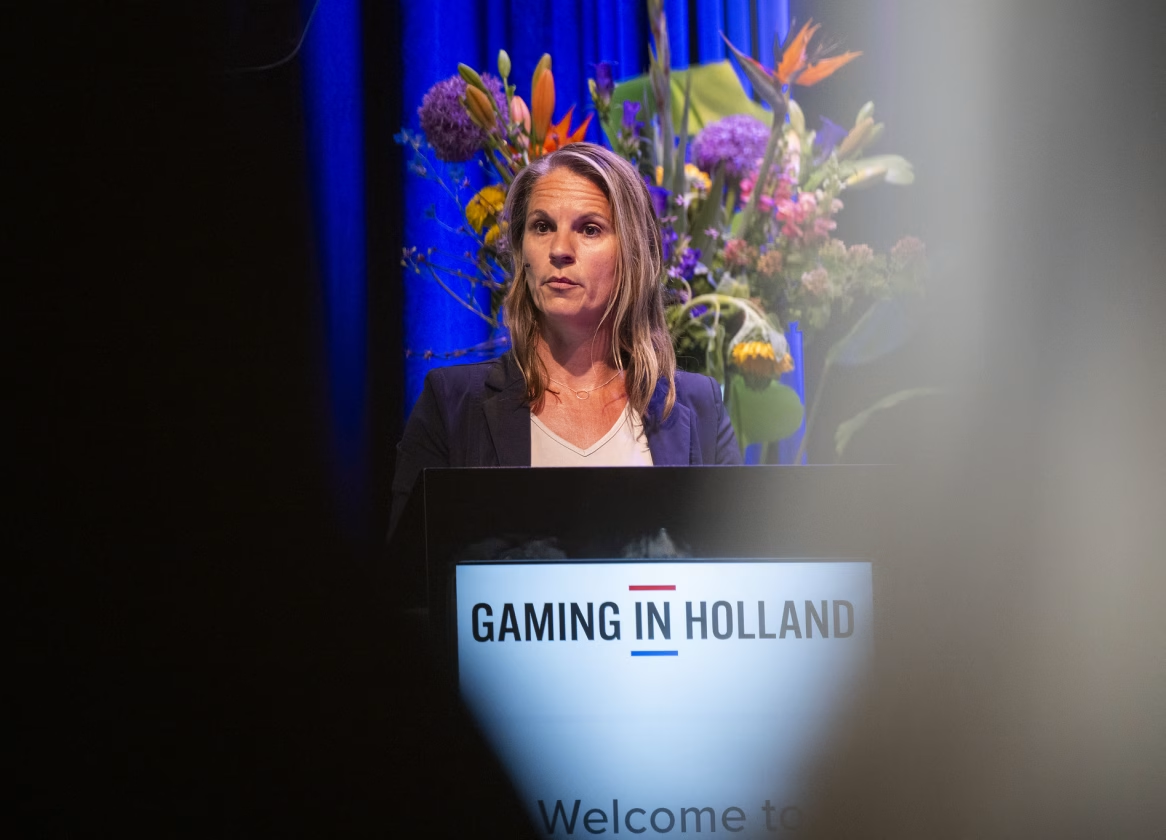
Tijdens de Gaming in Holland Conference 2026 sprak Ella Seijsener, Directeur Vergunningen & Toezicht van de Kansspelautoriteit, de aanwezigen donderdag toe. Seijsener was de eerste spreker na de openingsspeech van Gaming in Holland-oprichter Willem van Oort. In haar toespraak ging Seijsener in op de veranderingen die de Kansspelautoriteit heeft doorgemaakt, maar ook over de huidige situatie waar de online gokmarkt zich in begeeft.
Seijsener herhaalde de woorden die voormalig voorzitter René Jansen ooit sprak over dat de legale en illegale markt ‘communicerende vaten’ zijn, iets wat volgens Seijsener nog altijd het geval is:
“Dat geldt nog steeds, en vraagt dus ook om een integrale aanpak. Een aanpak waarbij we er intern op inzetten om ons toezicht de komende maanden veel risicogerichter en probleemoplossender te maken, zodat we onze inzet richten op de gebieden met de grootste risico’s, waar de speler niet of onvoldoende wordt beschermd.”
Ella Seijsener, Kansspelautoriteit
Nog minder kansspelbelasting
Verder ging Seijsener in op de statistieken die de Kansspelautoriteit deelde in de meest recente monitoringsrapportage. Hierin kwam naar voren dat de legale online gokmarkt stagneert:
“Het aantal aanbieders, hun bruto spelresultaat, het aantal spelers en de kanalisatiegraad: allemaal grofweg gelijk aan zes maanden eerder.”
Ella Seijsener
Volgens Seijsener zou je op basis van deze cijfers kunnen constateren dat de ‘nieuwigheid’ van de gokmarkt er geleidelijk af is. Dit lijkt echter onlogisch als er wordt gekeken naar de data van H2 Gambling Capital. Volgens de dataleverancier groeide de Europese legale online gokmarkt met 11% ten opzichte van 2024:
“De Nederlandse vergunde online kansspelmarkt blijft dus duidelijk achter.”
Ella Seijsener
De stagnatie van de marktgroei geldt dan ook niet voor de illegale gokmarkt, zo legt Seijsener uit. Ze verwijst hierbij naar de kanalisatiegraad in termen van geld, die verder daalde naar 53%. Deze dalende kanalisatie heeft ook invloed op de kansspelbelasting, waarvan het tarief begin dit jaar opnieuw werd verhoogd.
Dat dit invloed heeft op de inkomsten uit de kansspelbelasting blijkt uit een rapport dat later deze maand verschijnt, zo laat Seijsener weten:
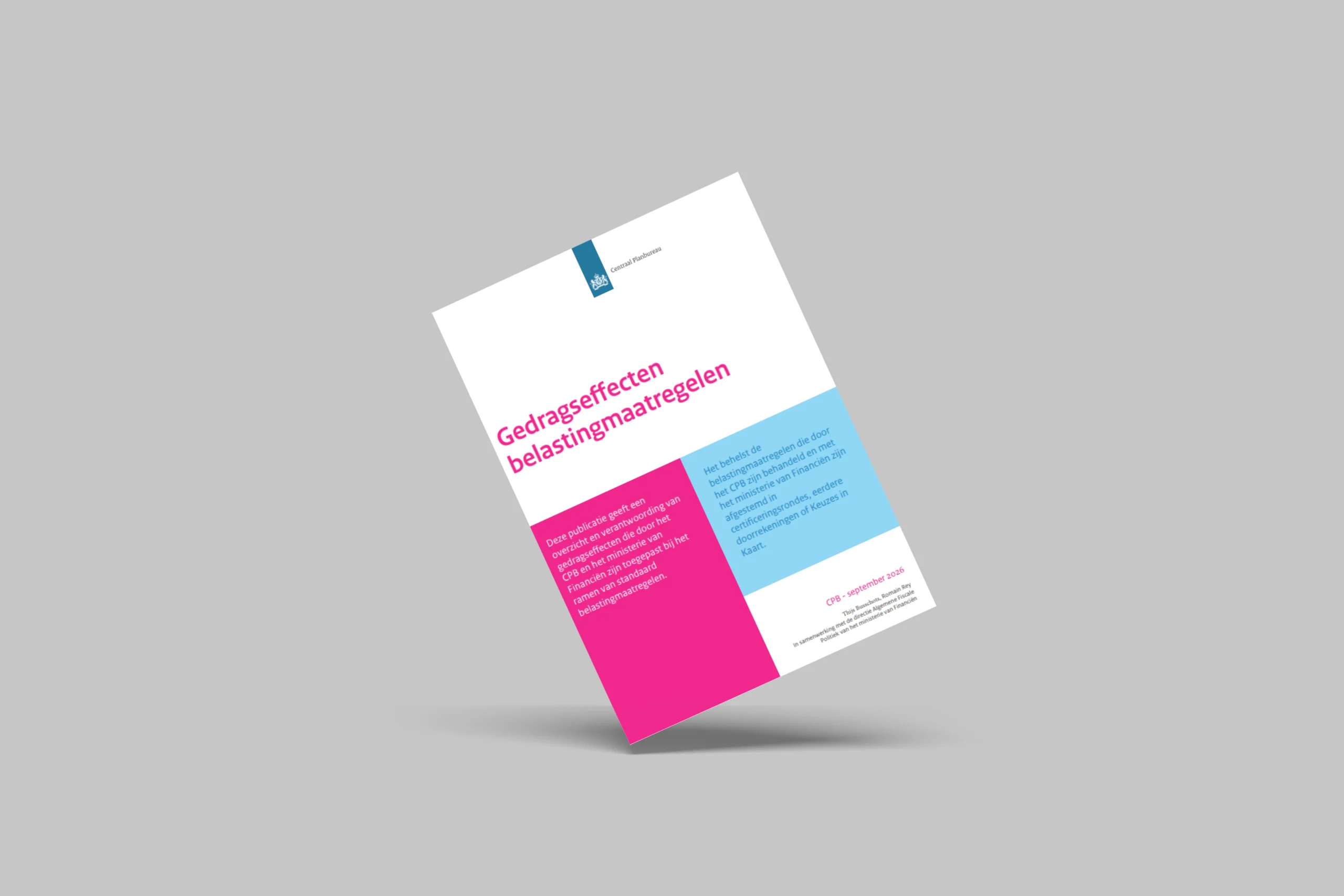
“Eind juni verschijnt een nieuwe impactanalyse van de kansspelbelasting, waaruit blijkt dat de verhoging van de kansspelbelasting het beoogde doel niet heeft bereikt. Er komt namelijk minder belasting binnen doordat de grondslag is afgenomen.”
Ella Seijsener
Reclameverbod
Ook ging Seijsener in op de aangekondigde plannen om een reclameverbod door te voeren voor online kansspelen. Ze laat weten dat de bestuurders van de Kansspelautoriteit reeds over deze plannen hebben gesproken met staatssecretaris Claudia van Bruggen. De Kansspelautoriteit heeft het gevoel dat hun zorgen zeer serieus worden genomen door de staatssecretaris.
De toezichthouder heeft zich eerder al negatief uitgesproken over een totaalverbod op gokreclame en volgens Seijsener is de Kansspelautoriteit ook kritisch op het plan om het aantal vergunninghouders in Nederland te beperken.
Verder liet de directeur Toezicht & Vergunningen weten dat Michel Groothuizen onlangs in Dublin is geweest om met andere Europese toezichthouders te spreken over de rol van Big Tech te spreken bij de vele illegale gokreclames die te zien zijn op internet.
“TikTok staat vol met advertenties voor Skyhills en andere partijen, en we kennen allemaal de rapporten die de enorme hoeveelheid advertenties van illegale aanbieders op Meta laten zien.”
Ella Seijsener
Rol van de legale aanbieders
Tegelijkertijd wees Seijsener de aanwezige legale gokbedrijven op hun verantwoordelijkheid. Er moet namelijk niet alleen gekeken worden naar wat de illegale gokbedrijven verkeerd doen, want ook binnen het legale aanbod is nog verbetering mogelijk. Seijsener haalde hierbij de claim van de consumentenbond aan als voorbeeld:
“Maar het feit dat zo’n claim voldoende voedingsbodem heeft en breed wordt opgepakt, zegt wel iets over hoe wij als samenleving naar gokken kijken.”
Ella Seijsener
Ook het recente item van Zembla werd besproken in de speech van Seijsener. Ze riep de legale gokbedrijven op om meer in de geest van de wet te handelen:
“Maar als de gemiddelde Zembla-kijker die nuance niet ziet, moet je je afvragen of je werkelijk in je recht staat, of dat je vooral op zoek bent geweest naar een maas in de wet. Mijn oproep is daarom: handel meer naar de geest van de wet.”
Ella Seijsener
Tot slot ging Seijsener in op de meest recente rapportage van het Landelijk Alcohol en Drugs Informatie Systeem (LADIS). In deze rapportage kwam naar voren dat het aantal gokverslaafden in behandeling blijft stijgen. Volgens Seijsener is het niet verrassend dat het aantal ‘zichtbare mensen met gokproblemen’ toeneemt in een markt die net enkele jaren open is. Toch is Seijsener ook hier kritisch richting de Nederlandse vergunninghouders:
“Wij als Ksa kunnen blijven herhalen dat mensen op de illegale markt slechter af zijn, omdat daar helemaal geen zorgplicht bestaat, maar dat is niet de volledige waarheid. We zien ook dat mensen die bij illegale partijen gokken, vaak zijn begonnen bij legale aanbieders.”
Ella Seijsener
Er wordt vaak door de gokindustrie, maar ook door de Kansspelautoriteit gezegd dat consumenten beter af zijn bij de legale gokmarkt dan bij de onvergunde aanbieders. Dit moet volgens Seijsener echter wel kunnen worden aangetoond en daarom roept ze de gokbedrijven nog eens op om de grenzen van de wet- en regelgeving niet op te zoeken.
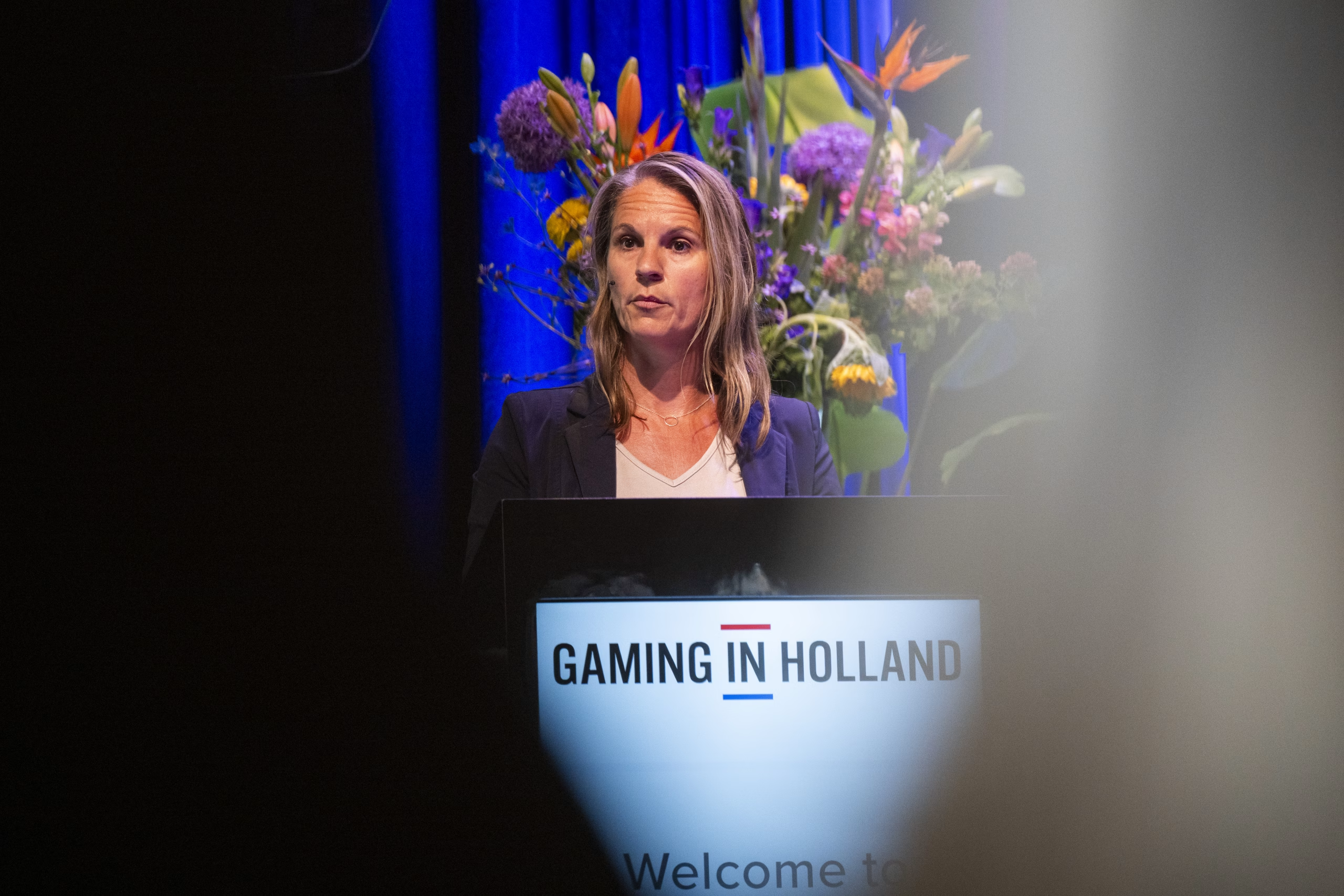
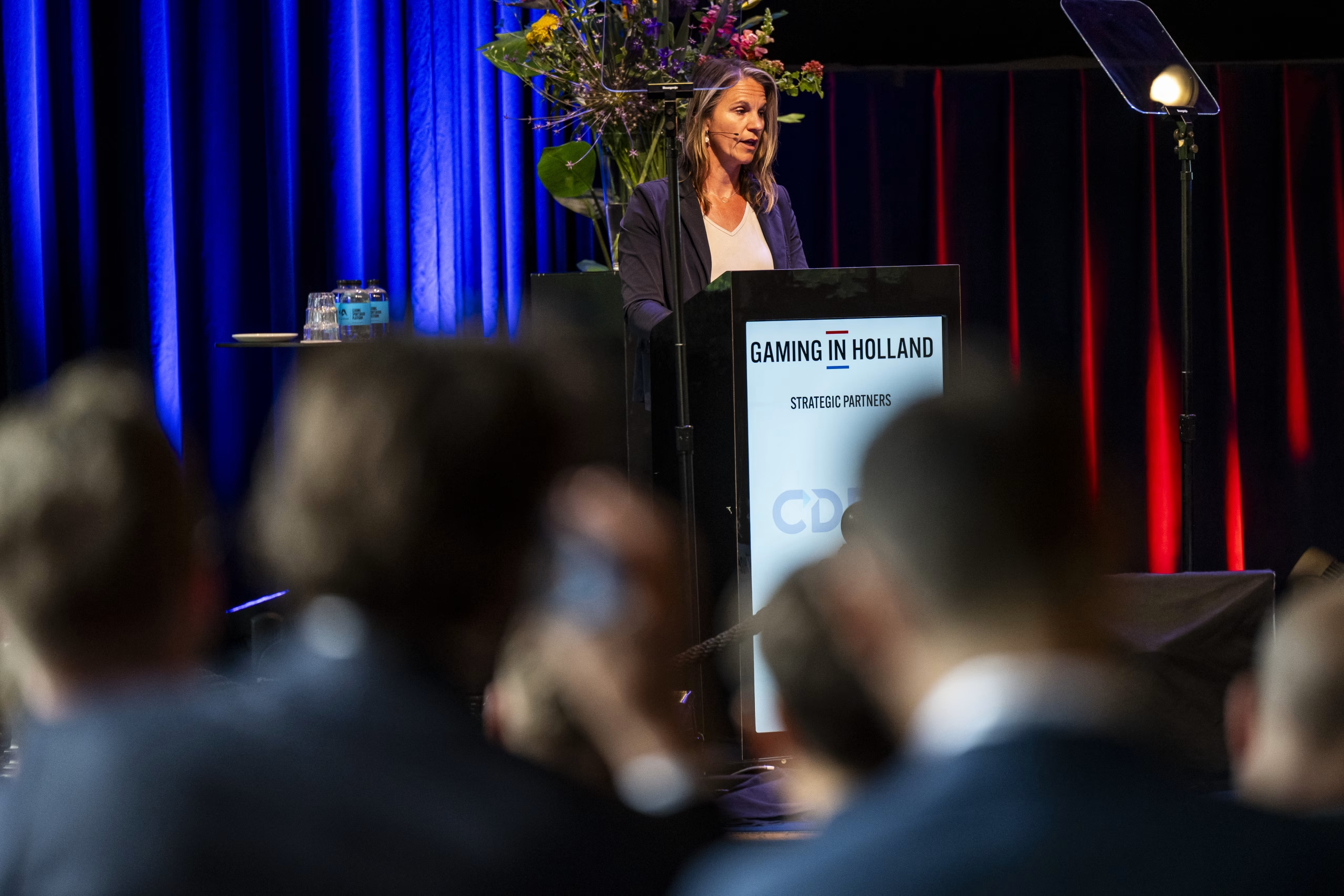
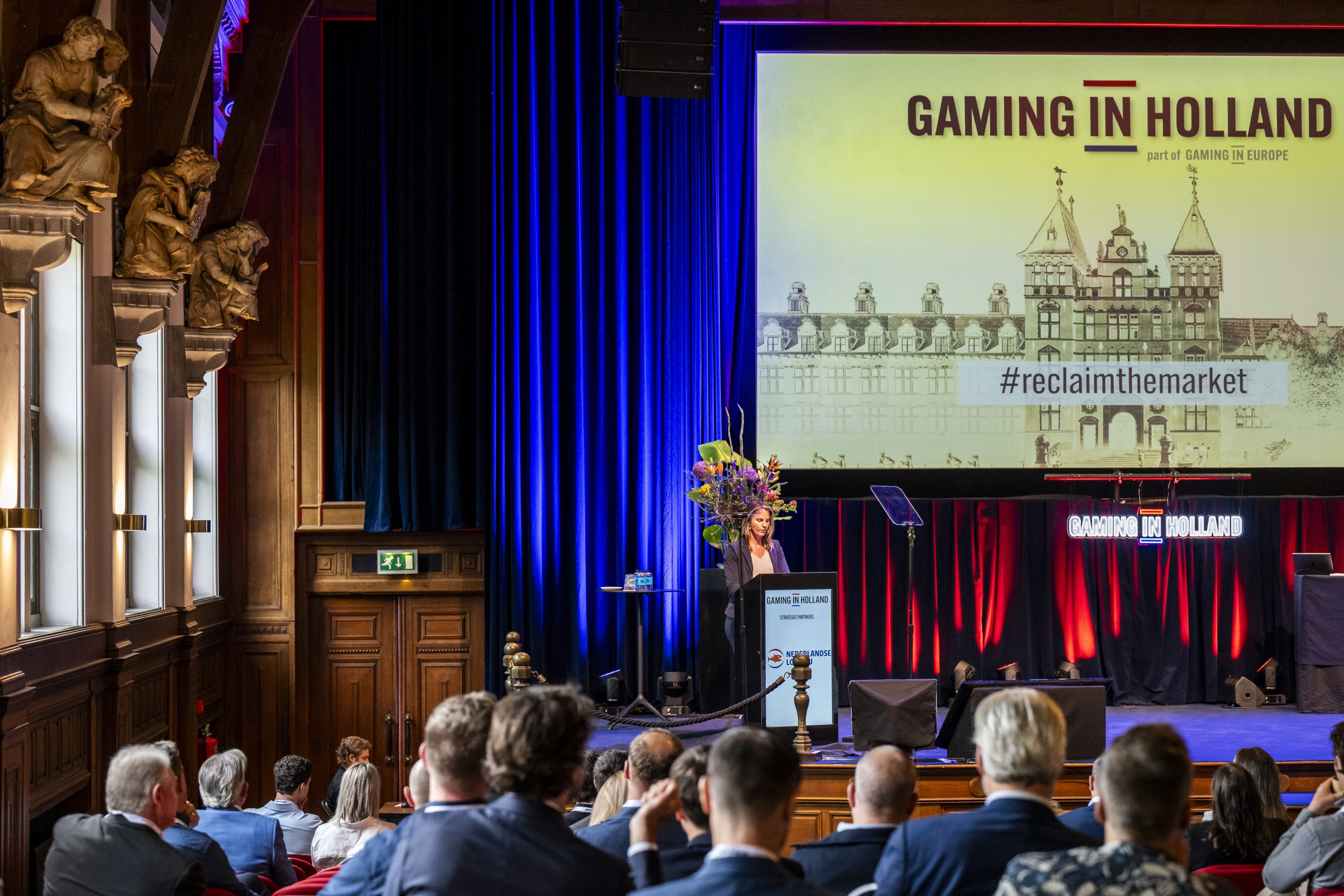
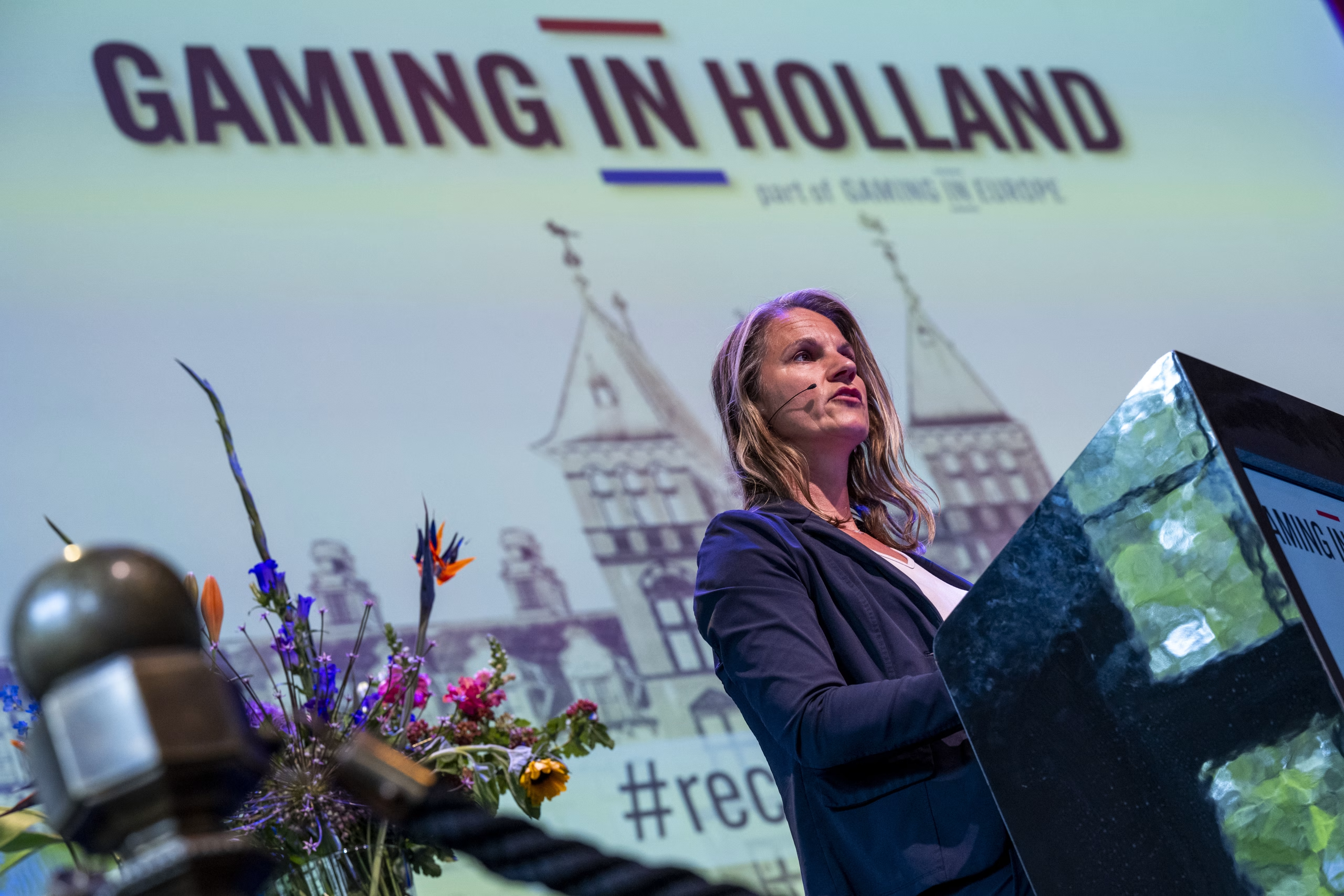
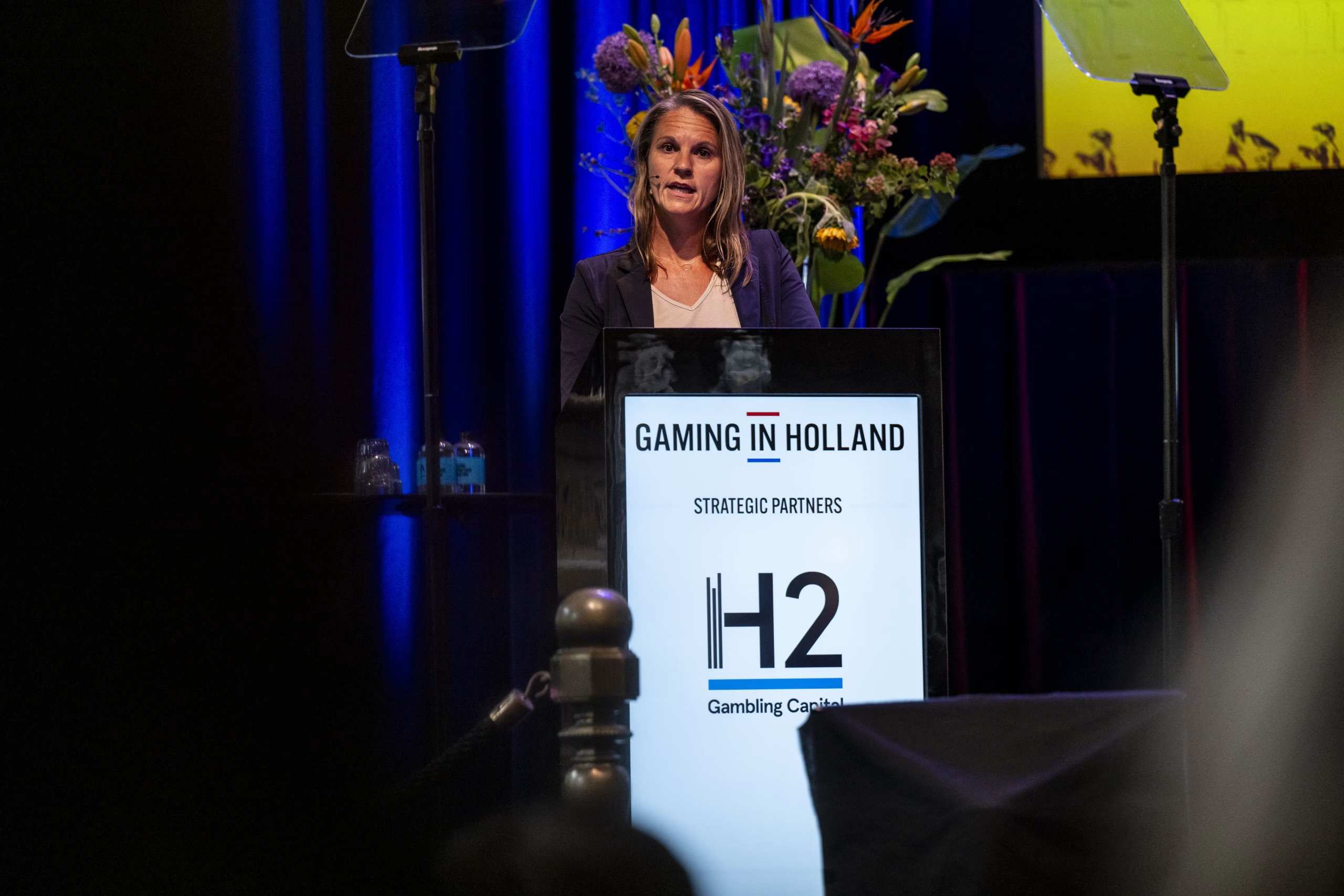
Speech Ella Seijsener, Directeur Vergunningen & Toezicht van de Kansspelautoriteit, Gaming in Holland 2026
Thank you Willem, for allowing me to address you all today on behalf of the KSA (Netherlands Gambling Authority). As head of the Licences and Supervision Directorate, I see on a daily basis what is happening at our legal operators: what they are up against, as well as where significant improvements are possible, in our view. I will, of course, address both sides of that coin today.
We went through a major change last year at the KSA. We restructured our management layer and are now working together much more comprehensively in the field of supervision and enforcement. We also do that because we see that when we turn one dial, there is an effect on the other side. Our former chairman René Jansen told one of the national newspapers years ago that the legal and illegal markets are communicating vessels. This remains the case, thus also prompting a comprehensive approach. An approach in which we are committed internally to making our supervision much more risk-driven and problem-solving in the coming months, so that we target efforts at those areas with the greatest risks where the player is not or not sufficiently protected.
We have also set up a new player protection department which focuses on, among other things, the deployment of the Addiction Prevention Fund (the VPF), and educating consumers about the risks of gambling. This new branch sometimes generates friction, but that friction leads to better results in the end. We look at the various supervision topics through different lenses and thus arrive at policies and supervision that are workable for you, but which on the other hand also protect the player optimally.
You will no doubt notice some of that in the way we work, but I also understand that this is not the most important part of my speech for you. Let us therefore talk mainly about what is happening in the market. In the most recent monitoring report from this spring, we saw that the online gambling market in the Netherlands is stagnating, remaining at the same level as six months earlier. The number of operators, their gross gambling revenue, the number of players and the channelisation rate: all roughly the same as six months earlier. You could call that stabilisation, and consider that the novelty of the open online market has gradually worn off. However, I can imagine that that is not how it feels to you, and I can hear, of course, that you have concerns about the future. All the more since this flat gross gambling result is not an international trend: according to commercial data provider H2 Gambling Capital, the licensed online gambling market in the EU grew by 11 percent in 2025 compared to 2024. The Dutch licensed online gambling market is seriously lagging behind, therefore.
We take those concerns seriously. In the run-up to the committee debate on gambling later this month, we have already heard some noises on all sides about the new secretary of state’s policy, and how she will respond to the wishes of the new coalition. Our board of directors have already had a meeting with her about this, and we feel she took our concerns very seriously. We had her ear, so to speak. In this meeting, the KSA has also reflected on some of the proposed plans. We have previously spoken out publicly against a total ban on advertising for online providers. We are also critical of the plan to limit the number of online providers. A new impact assessment of the gambling tax will probably be published at the end of June, showing that the increase in the gambling tax did not achieve its intended goal. Less tax revenue is in fact coming in because the base has decreased. And that decreased base hits you in your wallet of course.
The political climate seems to have cooled for you as a result. The critical voices that had previously been heard from society and the media are now translating into tightened policies, whereby the previously seemingly unlimited growth of the market now seems to be stalling. On top of that, there is another problem: the illegal market. The stagnation of market growth does not extend to the illegal part. The channelisation rate based on gross game result has since decreased to 53%. Illegal businesses are disappearing as quickly as they appear, making them sometimes seem elusive. On the advertising front, moreover, all the stops are being pulled out: TikTok is awash with ads for Skyhills and others, and we all know the reports that show the enormous volume of ads from illegal parties on Meta.
As the KSA, we are putting everything we can into fighting the illegal market. As you are all aware, that has long gone beyond handing out penalties and fines. We are open about the fact that those fines are almost impossible to collect and thus almost never paid. At the same time, these fines continue to send a signal to consumers as well, and other regulators, which companies we no longer want to see in our market. If you have a instrument in your toolbox, it is senseless not to use it. What is more effective is our comprehensive approach: by working with hosting providers, banks, payment service providers and marketing companies, among others, we intend to break down the infrastructure around illegal providers, making it impossible for them to operate in our market. And you, too, the legal gambling providers, contribute to this. That’s good to see.
Big tech and social media companies play an important role in that game. Advertisements on Meta and the organic search results on Google ensure that the illegal offerings can be found. As the KSA, we work with these parties by making reports and reminding them of their responsibilities, but not nearly enough is happening yet. Our board chairman Michel Groothuizen therefore travelled to Dublin last week to have a robust discussion with these companies together with some of his fellow European regulators. With the aim of getting tech companies to do more in tackling illegal offerings. Earlier this week, the conference of European regulators (GREF) continued to discuss this, as well as several other topics concerning the illegal online gambling market. Joining forces with our European colleagues puts us in a stronger position to fight that market.
Supervision is not a ‘quid pro quo’. Nevertheless, after this dose of understanding, I am also going to take the opportunity to explain what we as the KSA expect from you in turn. As a regulator, you always run the risk of being seen as an extension or mouthpiece of the market. Therefore, when we speak out against increasing gambling tax or a total ban on advertising, that criticism is quickly levelled against us. And if I am completely honest, I can understand that to some extent.
We saw several expressions of discontent in the media over the past year. To some extent that concerned illegal offerings from Polymarket and Skyhills, among others, which we have criticised in the past on several occasions. But many of the questions that came to us, both via the House of Representatives and the media, were also about legal supply. The Consumers’ Association launched a major claim in the context of duty of care. The KSA has previously stated that the duty of care was not properly fulfilled after the market opened up. The root of that problem (lack of clarity of the rules on our side, or unwillingness to do the utmost on your side) is open to debate. But the fact that such a claim has enough breeding ground and is being widely taken up does say something about how we as a society view gambling.
That image is reinforced by the level of advertising that still exists. I understand that advertising is necessary to make the legal market visible to Dutch consumers. But there are advertising rules, and they are there for a reason. As soon as new phenomena arise, such as streamers filming themselves while gambling, it is up to you to consider those phenomena in the light of the rules. Relying on gaps or ambiguities in legislation and regulations is easy. But if the average Zembla viewer doesn’t see the nuance, you have to wonder whether you are in the right, or have simply been looking for a loophole. My appeal, therefore, is to act more in the spirit of the law.
With a superb World Cup quickly approaching, the prospect of attracting new players beckons. We have therefore sent out letters with our expectations and, as with the previous European Championship, are going to strictly take enforcement action against violations. The World Cup has huge appeal to a key target group we are concerned about, namely young adults. It is precisely to protect this group, among others, that we have strict advertising rules. The fact that this is necessary is also clear from the latest figures on gambling addiction.
Because those do not lie: the number of people in treatment for gambling addiction continues to rise. This is partly due to the fact that gambling addiction takes a long time to reveal itself, so it takes quite a long time for people to seek treatment. With a market that has only been open for five years, it is not surprising that the number of visible people with gambling problems is rising. However, that does not mean it is not a problem. We as the KSA can keep repeating that people are worse off on the illegal market because there is no duty of care there at all, but that is not the full truth. We also see that people who gamble with illegal businesses often started doing so via legal businesses. I have seen a study showing that young people aged 18 sign up directly to gambling sites very shortly after their birthday. They may have been turned on to these by friends in their environment, but despite all the advertising restrictions, they also still come in contact with the licensed offerings.
So there is an important responsibility there for you. If we as the KSA want to be able to continue to make the argument that people are better off in a regulated market than in a market with only illegal supply, we need to be able to show that. We still hand out warnings and fines for failure to comply or fully comply with the duty of care. We still see young people managing to lose hefty sums or play for long periods without any intervention taking place. It is therefore important that you not only start looking more strictly at the measures you have to adhere to. You also need to learn more about the different risk factors out there. What addiction indicators are we aware of? And how do we implement them in effective addiction prevention policies?
That ball is absolutely in your court. As a regulator, we will remain committed to a safe, regulated market. We also do that by making sure it remains workable for you, and by cracking down on illegal offerings. But the most important part is that we are able to say without reservation that people are better off in that regulated market. That is becoming increasingly difficult to maintain. It is also up to you to do something about it.
Thank you for your attention. This afternoon, my college Floor van Bakkum will talk more about player protection and what we need from you in this regard. Following on from what I spoke about today, I advise everyone to listen carefully to that of course.

CasinoNieuws.nl WhatsApp-kanaal
Altijd het laatste nieuws over de Nederlandse kansspelindustrie direct op je telefoon of WhatsApp op je computer? Volg het CasinoNieuws.nl WhatsApp-kanaal en mis niets meer!
Foto’s via Gaming in Holland.
13:07: In een eerdere versie van dit artikel stond dat de Kansspelautoriteit zelf komt met een nieuw rapport. Dit is nu anders verwoord, het is niet de Kansspelautoriteit alleen die het rapport produceert, zij doen dit in samenwerking met het Ministerie van Financieën.







Login om een reactie te geven
Snel inloggen met social media
Login met e-mailadres
Nog geen account? Meld je hier aan.